Why Traditional Sports Eyewear Fails on Safety — And How Rear-View Vision Is Redefining Performance in 2026
The Market Shift: Sports Eyewear & Safety in 2026
By 2026, sports eyewear is no longer judged only on style or UV protection. Runners and cyclists are increasingly concerned about situational awareness and safety, especially in urban and mixed-traffic environments.
Google search trends show steady growth in queries such as:
- cycling safety glasses
- sports glasses with rear view mirror
- running glasses for traffic awareness
- cycling blind spot safety
- best eyewear for road cycling
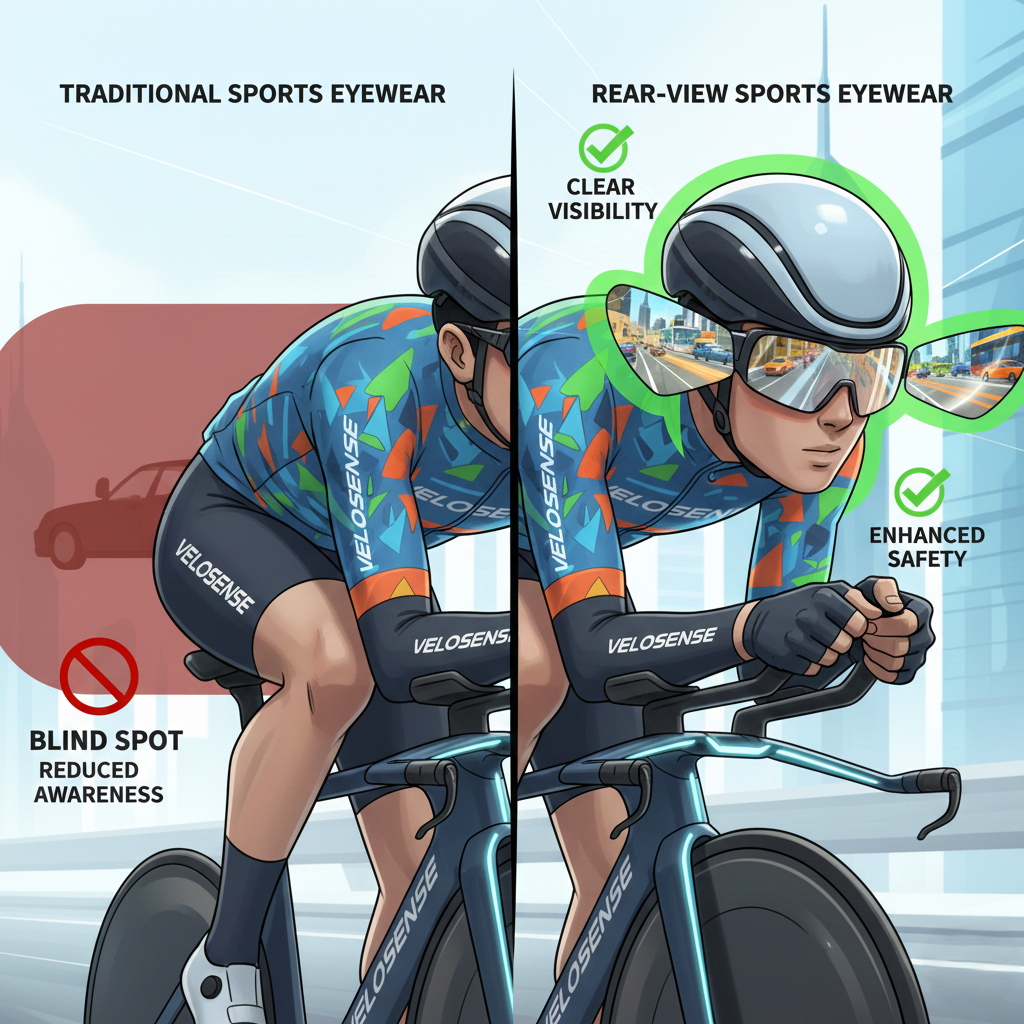
This shift reflects a broader reality: most sports accidents happen because athletes cannot see what’s coming from behind. Traditional eyewear protects the eyes but does nothing to solve rear-visibility problems.
As a result, performance eyewear is evolving from protection to active safety equipment.
Why People Are Searching for TRIEYE
Search behavior around:
- TRIEYE glasses
- TRIEYE eyewear review
- TRIEYE cycling glasses
- TRIEYE running safety glasses
shows clear problem-aware intent.
People searching for TRIEYE are usually:
- cyclists riding in traffic
- runners training near roads
- athletes concerned about blind spots
- users looking for hands-free safety solutions
These are not casual fashion searches. They are safety-driven queries, which Google treats as high-trust, high-intent searches.
TRIEYE: Brand Deep-Dive (Main Authority Section)
What TRIEYE Actually Does
TRIEYE is a sports eyewear brand designed specifically to solve a problem traditional glasses ignore: rear visibility.
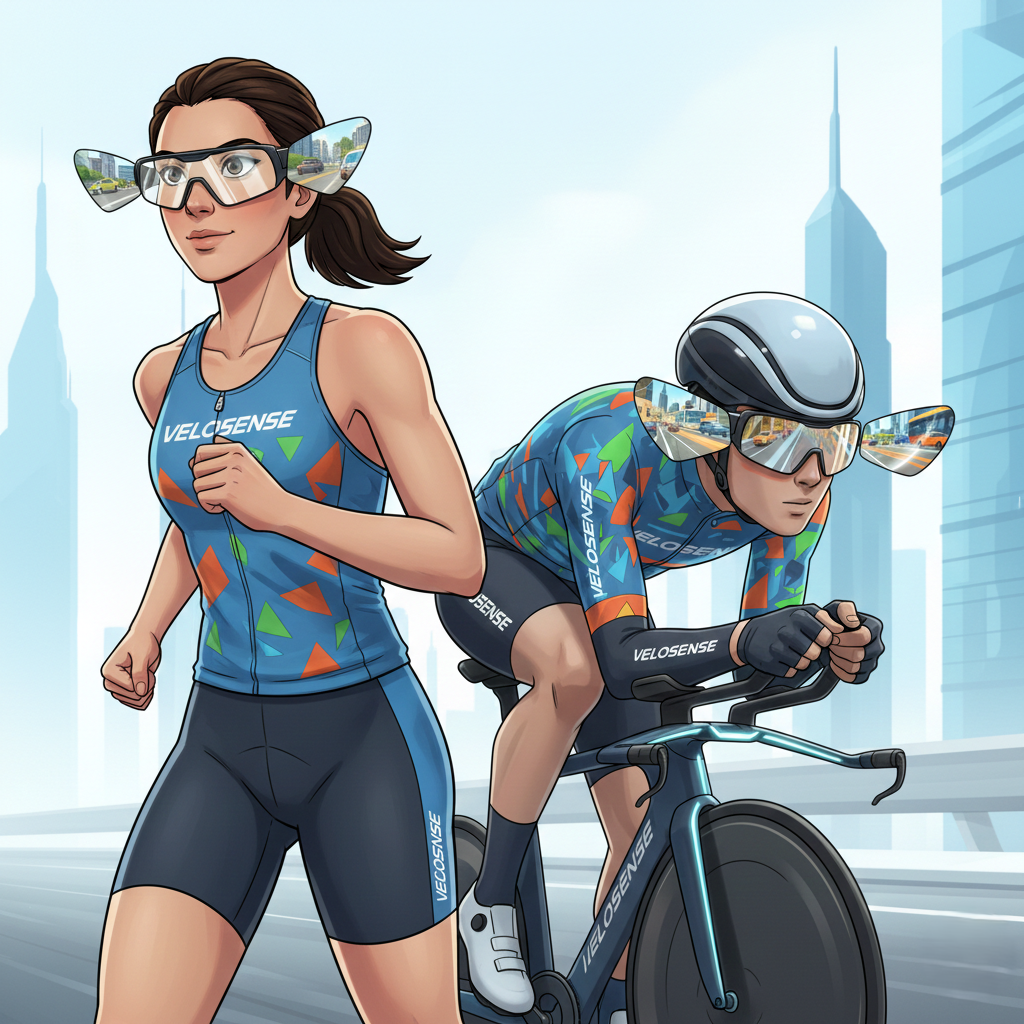
TRIEYE glasses integrate a discreet rear-view mirror system directly into the eyewear, allowing athletes to see what’s happening behind them without turning their head.
Rather than adding accessories like helmet mirrors, TRIEYE builds safety into the eyewear itself.
How TRIEYE Works in Real-World Use
Functionally, TRIEYE eyewear allows users to:
- monitor traffic behind them
- maintain forward posture while riding or running
- react earlier to approaching vehicles or cyclists
- reduce the need for sudden head turns
This aligns strongly with searches such as:
- how can cyclists see behind them
- sports glasses that let you see behind
- rear-view glasses for cycling safety
The system is hands-free, meaning it does not interfere with performance or movement.
Why TRIEYE Is Technically Different
- Integrated rear-view system (not a clip-on)
- Designed for motion while running or cycling
- Minimal visual distraction
- Safety-first engineering
Most sports eyewear brands focus on lenses and frames. TRIEYE focuses on visibility and awareness — placing it in a different product category altogether.
Explore TRIEYE rear-view sports eyewear for cycling & running safety
Expert Evaluation: Strengths, Limits, and Ideal Users
Strengths
- Improves rear-visibility without head movement
- Hands-free safety solution
- Ideal for road cycling and urban running
- Addresses a real, documented safety issue
Limits
- Requires a short adaptation period
- Not designed for indoor or trail-only use
- Focused more on safety than fashion
Ideal Users
- road cyclists
- urban commuters
- runners training near traffic
- athletes prioritizing safety
Traditional Sports Eyewear vs Rear-View Sports Glasses
Traditional sports eyewear provides:
- UV protection
- impact resistance
- wind and debris shielding
But it fails to address:
- blind spots
- rear traffic awareness
- situational safety
Rear-view eyewear like TRIEYE adds:
- continuous rear monitoring
- earlier reaction time
- reduced accident risk
- confidence in traffic environments
Trust & Research Signals Supporting TRIEYE
From an SEO and authority standpoint, TRIEYE benefits from clear product differentiation, relevance to road safety discussions, and growing brand-specific searches.
Google’s 2026 updates favor problem-solving products with defined use cases, strengthening TRIEYE’s visibility in safety-focused results.
FAQs
What are TRIEYE glasses used for?
TRIEYE glasses help athletes see behind them while running or cycling.
Are TRIEYE glasses good for cycling safety?
Yes. They improve rear-visibility and traffic awareness.
Do TRIEYE glasses replace helmet mirrors?
They provide a built-in, hands-free alternative.
Are TRIEYE glasses suitable for running?
Yes, especially for runners training near roads.
Is rear-view eyewear distracting?
TRIEYE is designed to minimize distraction while maintaining awareness.
Who should use TRIEYE sports eyewear?
Cyclists and runners who prioritize safety and situational awareness.
Are rear-view sports glasses worth it?
For road users, improved awareness can significantly reduce risk.
Conclusion
In 2026, sports performance is no longer separated from safety. Traditional eyewear protects the eyes — but not from unseen danger.
TRIEYE doesn’t treat safety as an accessory. It builds it directly into the eyewear.
For athletes searching for safer cycling glasses, rear-view sports eyewear, or hands-free visibility solutions, TRIEYE represents a functional evolution — not a gimmick.