Why Temperature-Regulated Sleep Is Becoming a Global Health Priority
Introduction
Sleep has shifted from a passive nightly routine into an active health discipline. By 2026, global sleep disruption will no longer be framed as an inconvenience; it will be widely recognized as a contributor to metabolic disorders, cognitive decline, chronic pain, and reduced workplace performance.
Rising nighttime temperatures, longer screen exposure, and stress-driven nervous system dysregulation have created a convergence of problems that traditional bedding solutions were never designed to solve.
Among the most common complaints reported by sleep researchers and clinicians today are overheating during sleep, persistent lower-back discomfort, and poor overnight recovery, even among individuals who appear otherwise healthy.
Consumer behavior has followed this shift. Buyers in 2026 are focused on measurable outcomes: thermal neutrality, spinal alignment, material durability, and long-term physiological impact.
Why Most Existing Solutions Fail
Traditional Mattresses and Thermal Retention
Conventional innerspring and memory foam mattresses were not engineered with thermoregulation as a primary design constraint. Dense foams trap body heat, while legacy coil systems lack surface adaptability.
The One-Layer Foam Problem
Many modern mattresses rely on a single comfort layer marketed as “cooling.” Surface treatments dissipate heat briefly before underlying materials retain it, disrupting deep sleep cycles.
Marketing Myths vs. Material Science
Terms like “cooling gel” or “breathable foam” are often used without standardized definitions. Without multi-layer airflow channels or phase-change materials, these claims offer limited benefit.
Short Product Life Cycles
Lower-density foams degrade quickly, leading to sagging, pressure misalignment, and compromised cooling efficiency.
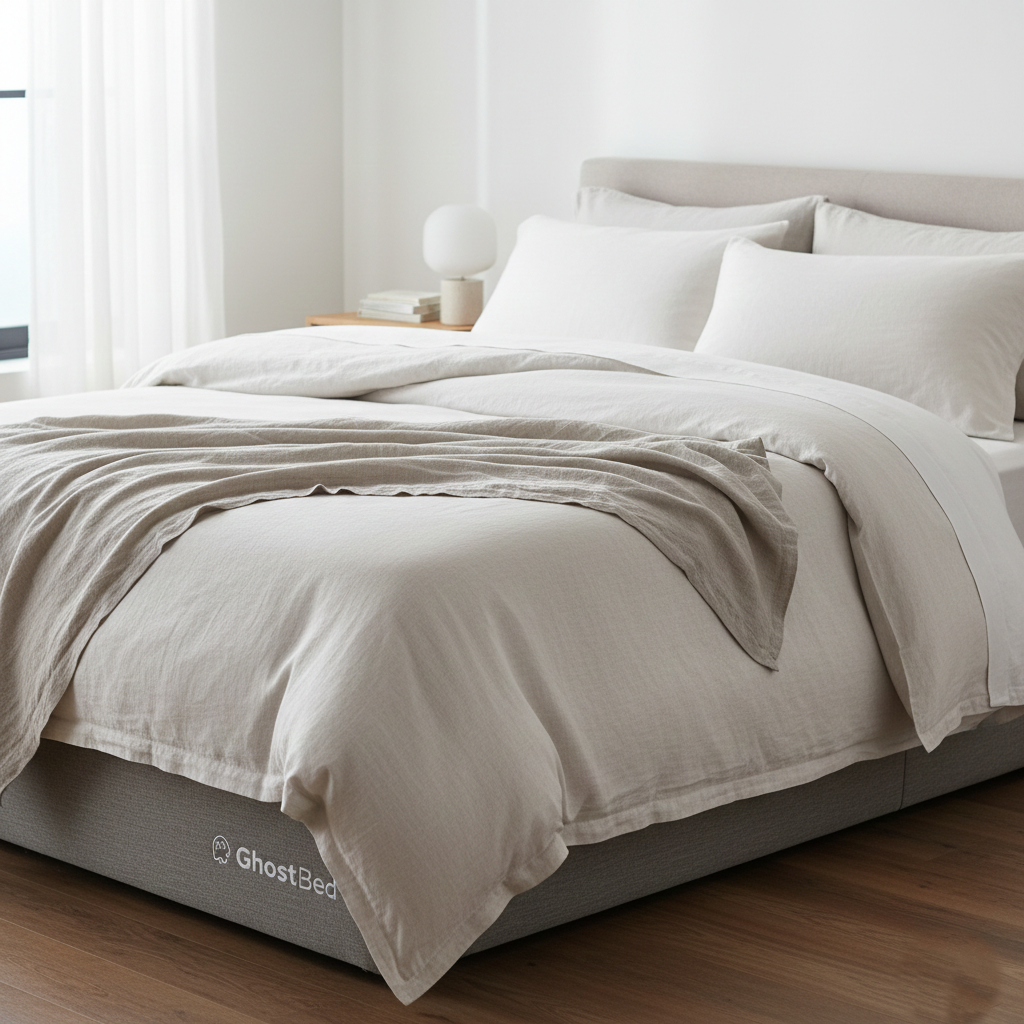
Brand Deep-Dive: Understanding GhostBed’s Approach to Sleep Technology
GhostBed operates at the intersection of materials science and human ergonomics rather than lifestyle branding. The company focuses on solving thermal instability and inconsistent spinal support.
Technology Philosophy
Rather than relying on a single innovation layer, GhostBed integrates multiple performance materials designed to work as a system.
Cooling Systems
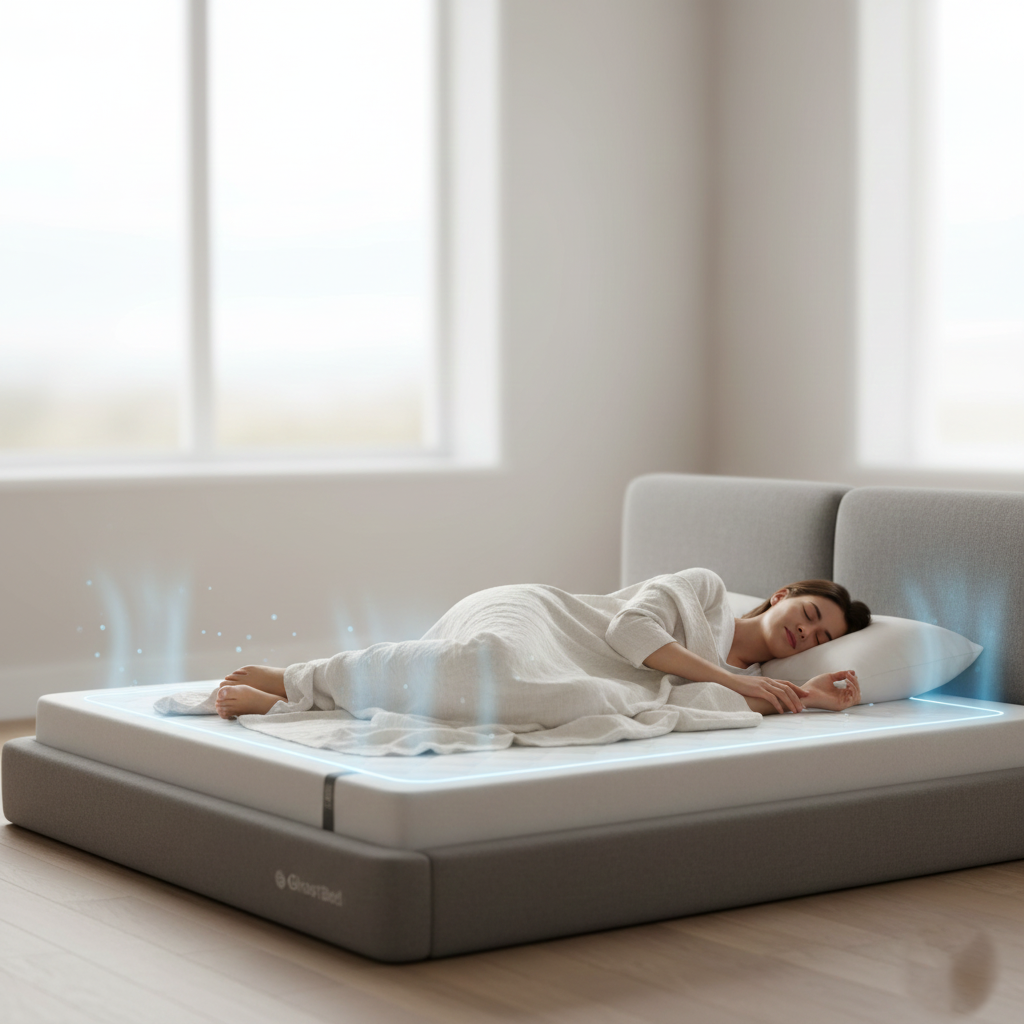
GhostBed mattresses incorporate proprietary cooling fabrics, phase-change materials, and open-cell foams to stabilize surface temperature throughout the night.
Materials and Construction
High-density foams, reinforced support cores, and breathable textile covers are selected to reduce premature sagging while maintaining pressure relief.
Product Ecosystem
Beyond mattresses, GhostBed offers adjustable bases, pillows, and sleep accessories designed to function cohesively as a modular sleep system.
For readers exploring detailed specifications and material design,
provide insight into how these components work together.Expert Evaluation
Strengths
- Multi-layer cooling architecture for sustained thermal balance
- Strong spinal alignment and pressure distribution
- Durable materials designed for long-term use
Possible Limitations
- Firmer feel for users preferring ultra-plush surfaces
- Heavier construction may complicate repositioning
Who It Is Ideal For
- Hot sleepers experiencing night sweats
- Individuals with back or joint pain
- Data-driven buyers treating sleep as a health investment
Who It Is Not Ideal For
- Budget-focused mattress shoppers
- Users seeking very soft, sink-in sleep surfaces
Industry Comparison: Where GhostBed Fits
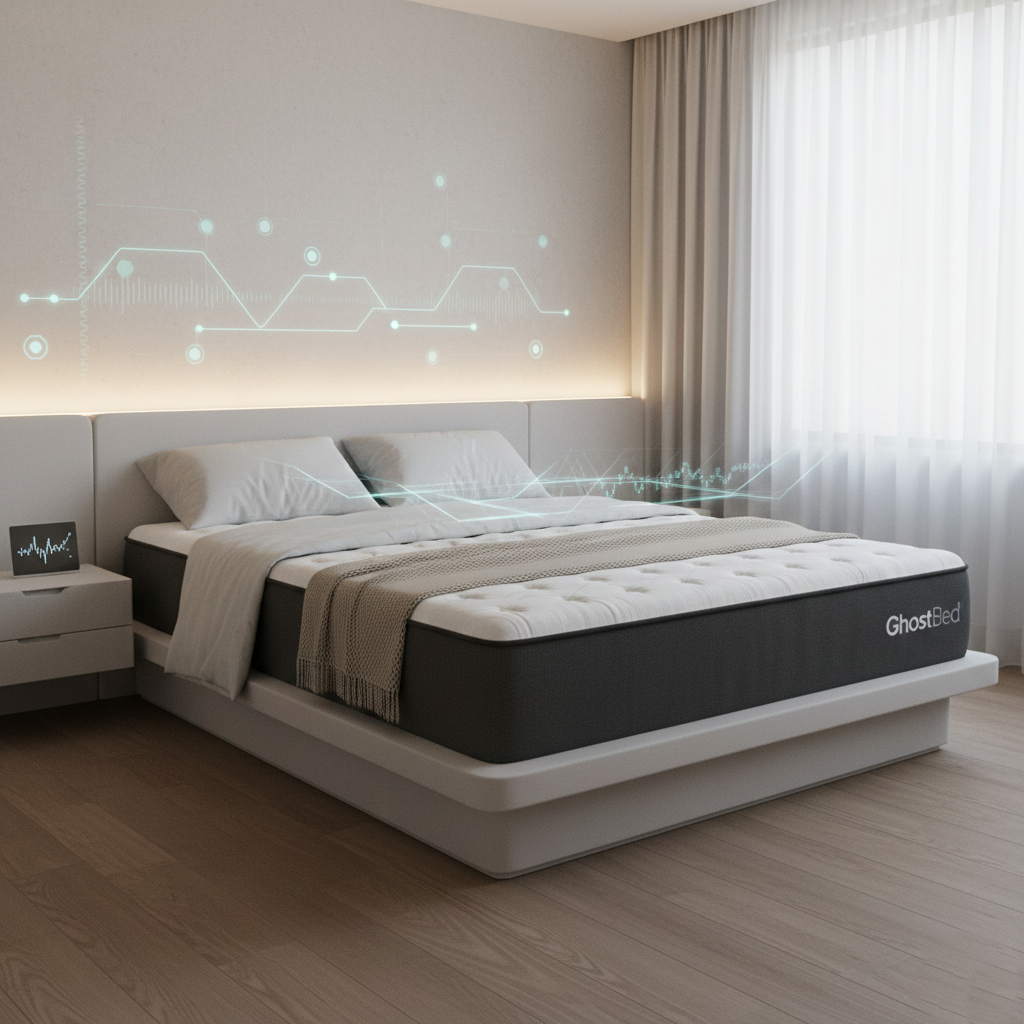
Traditional mattress brands prioritize familiarity, while newer sleep-tech companies often sacrifice durability for novelty. GhostBed aligns with data-driven design focused on measurable performance.
Trust Signals and Industry Observations
Sleep research highlights temperature stability as a key factor in REM duration and recovery. Consumers now evaluate mattresses based on durability, consistency, and material transparency.
Frequently Asked Questions
How does cooling mattress technology work in 2026?
Modern cooling mattresses incorporate airflow channels, phase-change materials, and breathable foams to continuously regulate temperature.
Is temperature-regulated sleep scientifically proven?
Studies associate stable sleep temperatures with improved REM cycles and reduced nighttime awakenings.
Who should use advanced sleep systems?
Individuals experiencing chronic overheating, back pain, or inconsistent sleep quality tend to benefit the most.
How long do high-tech mattresses last?
High-density materials are designed for 8–10 years of consistent performance, depending on usage.
Conclusion
Temperature-regulated sleep is no longer a luxury; it is becoming a foundational requirement for restorative rest. GhostBed’s relevance lies in its alignment with sleep science rather than marketing trends.
As sleep technology evolves, mattresses will increasingly be evaluated by their ability to support long-term physiological resilience, not just short-term comfort.