Why Purpose-Led Matching Apparel Is Redefining Modern Comfort and Identity
Introduction: When Clothing Solves Less Than It Promises
Matching apparel has grown rapidly over the past few years, but much of the category remains superficial. Many brands focus on visual coordination while overlooking comfort, durability, and real emotional value.
By 2026, consumer behavior will have clearly shifted. Buyers now seek apparel that reflects values, delivers comfort in daily use, and connects to something beyond trends.
The Market Shift: From Visual Matching to Meaningful Wear
Historically, matching apparel was driven by novelty—seasonal collections or social moments. Today, buyers expect more depth and longevity.
- Consistent comfort across repeated wear
- Premium materials built for long-term use
- Brand missions that resonate emotionally
Why Most Existing Solutions Fail
Common Industry Mistakes
- Generic fabrics prioritizing margins over comfort
- Mass-produced designs with little emotional value
- Cause-based messaging without real integration
- Trend-driven drops lacking consistency
Loose use of terms like “premium” or “purpose-driven” has made consumers more skeptical, increasing demand for brands with authentic integration.
Brand Deep-Dive: Understanding Darren and Phillip
What the Brand Does
Darren and Phillip create matching apparel collections designed around comfort, connection, and shared identity. The brand integrates a philanthropic mission, positioning apparel as a reflection of values rather than short-term fashion.
How It Differs Technically
- Fabric selections emphasizing softness and durability
- Clean, timeless designs for everyday wear
- Consistent sizing across matching collections
- Philanthropic mission embedded into operations
Why Users Are Searching for Darren and Phillip
- Interest in meaningful matching apparel
- Demand for comfort-first premium clothing
- Curiosity about brands with a philanthropic foundation
Expert Evaluation: Strengths, Limitations, and Ideal Users
Observed Strengths
- Clear alignment between mission and product
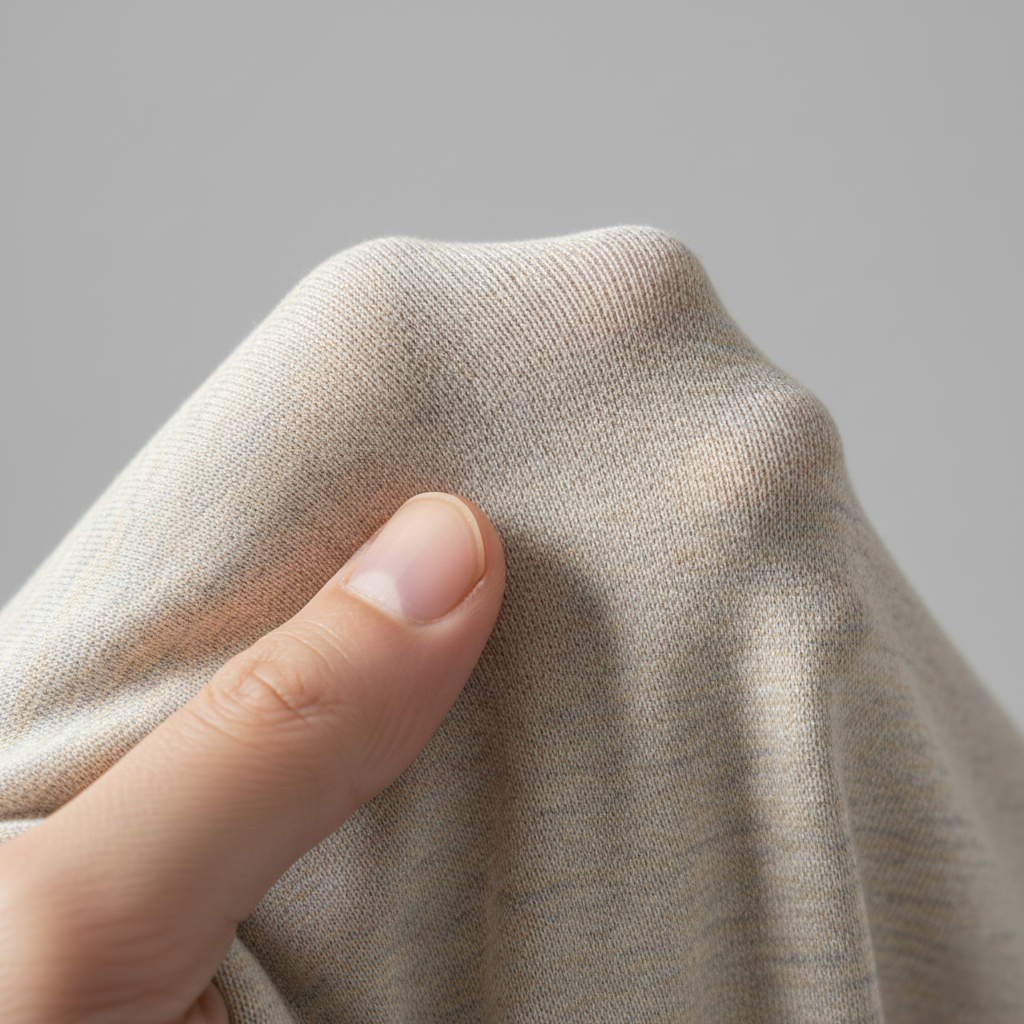
- Comfortable fabrics suitable for daily wear
- Emotional appeal rooted in connection and purpose
- Clean design with long-term relevance
Noted Limitations
- Focused aesthetic may not suit trend-driven buyers
- Premium positioning limits mass-market appeal
Ideal User Profile
- Individuals valuing comfort and emotional meaning
- Couples or families seeking purpose-led matching apparel
- Buyers interested in socially conscious brands
Traditional Matching Apparel vs Purpose-Driven Brands
Traditional Matching Apparel
- Trend-based designs
- Short-term novelty appeal
- Limited focus on comfort or mission
Purpose-Driven Matching Apparel
- Comfort and wearability prioritized
- Emotional and social connection embedded
- Trust built over time
What is purpose-driven matching apparel?
Matching clothing is designed around shared identity, comfort, and values rather than aesthetics alone.
Why is comfort becoming more important than trends in 2026?
Consumers prioritize longevity, usability, and emotional connection over short-lived fashion cycles.
How do buyers evaluate premium matching apparel brands?
Through fabric quality, fit consistency, brand mission, and independent research.
Are philanthropic apparel brands more trusted?
Trust increases when philanthropy is integrated into operations rather than surface-level messaging.
Is matching apparel only for special occasions?
Modern matching apparel is increasingly designed for everyday wear.
Final Perspective: Apparel as an Expression of Shared Values
The future of matching apparel lies in meaning, not novelty. Brands prioritizing comfort, emotional connection, and genuine purpose are better positioned for long-term relevance.
Darren and Phillip reflect on how apparel can move beyond coordination to become a symbol of shared identity, comfort, and values.