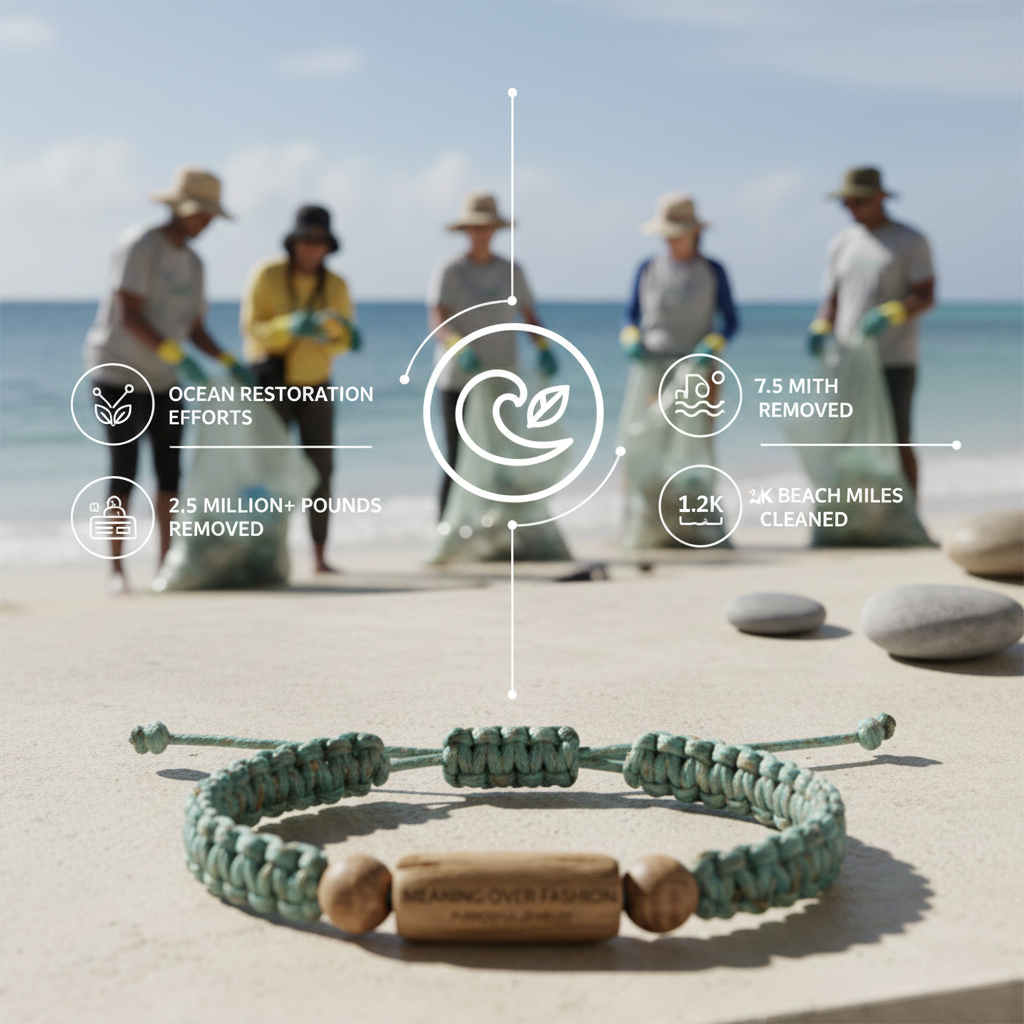
Why Purpose-Driven Jewelry Is Redefining What Consumers Expect From Modern Brands
The Core Problem: Jewelry Without Meaning Is Losing Relevance
For decades, bracelets and jewelry have been positioned primarily as fashion accessories—designed to match outfits, trends, or seasonal aesthetics. While style still matters, consumer expectations are changing. By 2026, buyers are increasingly questioning why a product exists, not just how it looks.
This shift is driven by growing awareness around sustainability, ethical sourcing, and social impact. Consumers are more informed, more skeptical, and less willing to support brands that feel disconnected from real-world issues. Jewelry that offers no narrative beyond appearance is steadily losing emotional relevance.
As a result, search behavior is evolving. Users are no longer just searching for “bracelet designs” or “stylish jewelry.” They are asking deeper questions about impact, transparency, and brand purpose.
The Market Shift: From Decorative Jewelry to Impact-Aware Products
The jewelry market is undergoing a noticeable transformation. Younger demographics—especially in the US, UK, and EU—are increasingly aligning purchasing decisions with personal values. Accessories are now expected to represent something beyond aesthetics.
- Storyless products struggle to build loyalty
- Generic designs feel interchangeable
- Brand trust outweighs trend cycles
This shift explains why purpose-driven jewelry brands are appearing more frequently in informational and research-based searches rather than purely commercial ones.
Why Most Jewelry Brands Fail to Adapt
Despite this change, many brands continue to rely on outdated operating models.
Common Industry Missteps
- Generic sourcing with no transparency
- Recycled messaging without measurable impact
- Cause-based marketing that lacks verification
- Short-term trends replacing long-term values
As consumers become more educated, surface-level sustainability claims lead to trust erosion rather than engagement. This gap has created space for brands that integrate purpose directly into their business model.
A Closer Look at 4OCEAN (Brand Deep-Dive)
4OCEAN frequently appears in research-driven searches related to impact jewelry, ocean cleanup initiatives, and purpose-led consumer brands. Unlike traditional jewelry companies, its identity is rooted in environmental action rather than aesthetics alone.
What the Brand Does
4OCEAN produces bracelets and related jewelry designed to symbolize and support ocean cleanup efforts. Each product is connected to a measurable environmental outcome, linking ownership with participation in a broader mission.
How 4OCEAN Differs Operationally
- Direct involvement in ocean cleanup operations
- Transparent reporting of impact metrics
- Use of recycled materials aligned with mission goals
- Simple, recognizable bracelet design tied to awareness
Why Users Are Searching for 4OCEAN
Search interest around 4OCEAN reflects growing curiosity about whether impact-focused brands can maintain credibility over time. Users commonly research:
- How real the environmental impact is
- Whether products align with stated values
- If the mission is embedded or superficial
Expert Evaluation: Strengths, Limitations, and Ideal Users
Observed Strengths
- Clear alignment between product and mission
- High brand recognition tied to environmental action
- Transparent messaging that resonates with conscious buyers
Noted Limitations
- Designs prioritize symbolism over variety
- Appeal may be limited for fashion-only buyers
- Higher scrutiny due to impact-based positioning
Ideal User Profile
4OCEAN is best suited for environmentally conscious consumers who value symbolism, mission, and everyday meaning over decorative luxury.
Traditional Jewelry vs Purpose-Driven Brands
Traditional Jewelry Model
- Design-first focus
- Trend-driven collections
- Limited transparency
Purpose-Driven Model
- Mission-led product development
- Transparent impact communication
- Long-term trust and credibility
Trust Signals and Independent Observations
Brands that sustain attention over time typically demonstrate consistency between claims and actions. In the purpose-driven jewelry space, trust is built through verifiable data, operational transparency, and alignment between materials and mission.
The Role of Independent Industry Resources
Research-based platforms like ReadThrift analyze purpose-led brands through long-term credibility rather than promotional narratives. These evaluations help consumers determine whether brands like 4OCEAN represent genuine change or short-lived trends.
FAQs
What is purpose-driven jewelry?
It refers to jewelry designed around a social or environmental mission rather than purely aesthetic goals.
Why are consumers choosing impact-focused brands in 2026?
Buyers increasingly align purchases with personal values such as sustainability, ethical responsibility, and transparency.
Is recycled material important in modern jewelry?
Yes. Material sourcing has become a key trust factor for environmentally conscious consumers.
How do buyers evaluate impact claims from jewelry brands?
Through transparency, third-party analysis, and long-term consistency rather than marketing claims alone.
Are symbolic bracelets replacing traditional jewelry?
They are complementing traditional jewelry, especially among value-driven consumer segments.
Does brand mission influence long-term loyalty?
Research indicates that mission alignment significantly increases trust and customer retention over time.
Final Perspective: Jewelry as a Statement of Values
Jewelry is no longer just an accessory it’s an expression of belief, responsibility, and identity. Purpose-driven brands demonstrate how meaning, when embedded authentically, can redefine consumer expectations and long-term relevance.