Modern Men’s Apparel That Balances Style, Comfort, and Everyday Function
Men’s apparel has entered a correction phase.
For years, brands focused on fast trends, aggressive drops, and visual hype. The result was predictable: clothes that looked good briefly but ultimately failed in terms of comfort, durability, and real-life usability.
By 2026, buyer behavior will have undergone significant changes.
Men no longer search only for “stylish clothing.” They search for wearable fashion, everyday fits, and brands that understand lifestyle use, not just aesthetics.
This shift explains the growing interest in apparel brands that sit between streetwear and functional menswear. One brand increasingly appearing in these searches is Bucket Culture.
The 2026 Market Shift in Men’s Apparel
Men’s fashion decisions today are shaped by three realities:
- Hybrid lifestyles (work, travel, social overlap)
- Fewer purchases, higher expectations
- Comfort as a non-negotiable requirement
Consumers are moving away from trend overload. Instead, they prioritize:
- Fit consistency
- Fabric comfort
- Versatility across settings
- Honest pricing
Search behavior reflects this change. Queries like “comfortable men’s apparel,” “everyday men’s clothing,” and “modern menswear brands” continue to grow year over year.
Why People Are Searching for Bucket Culture
Brand-driven searches rarely appear randomly.
When users search for a specific apparel brand, it usually signals:
- A recommendation loop (social, peer, creator)
- Repeat exposure without a clear understanding
- Curiosity around fit, quality, or brand ethos
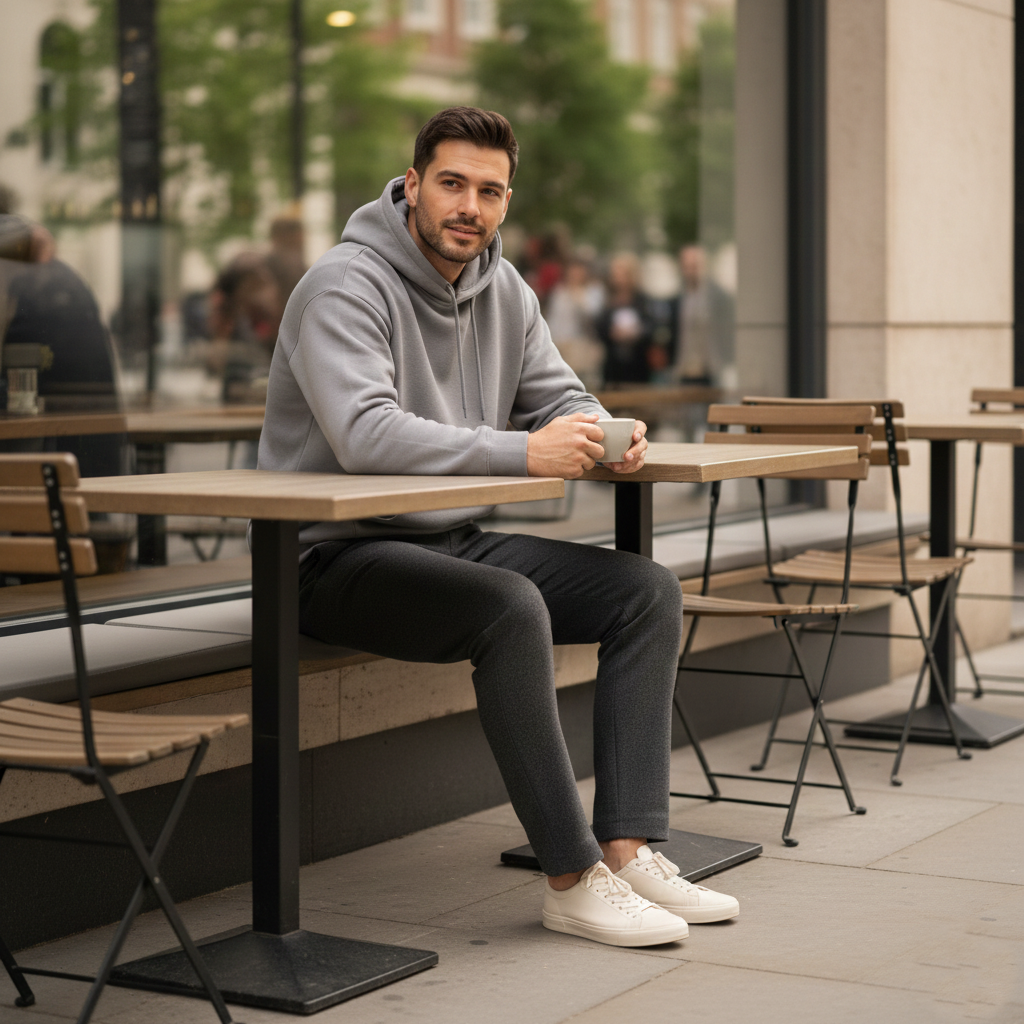
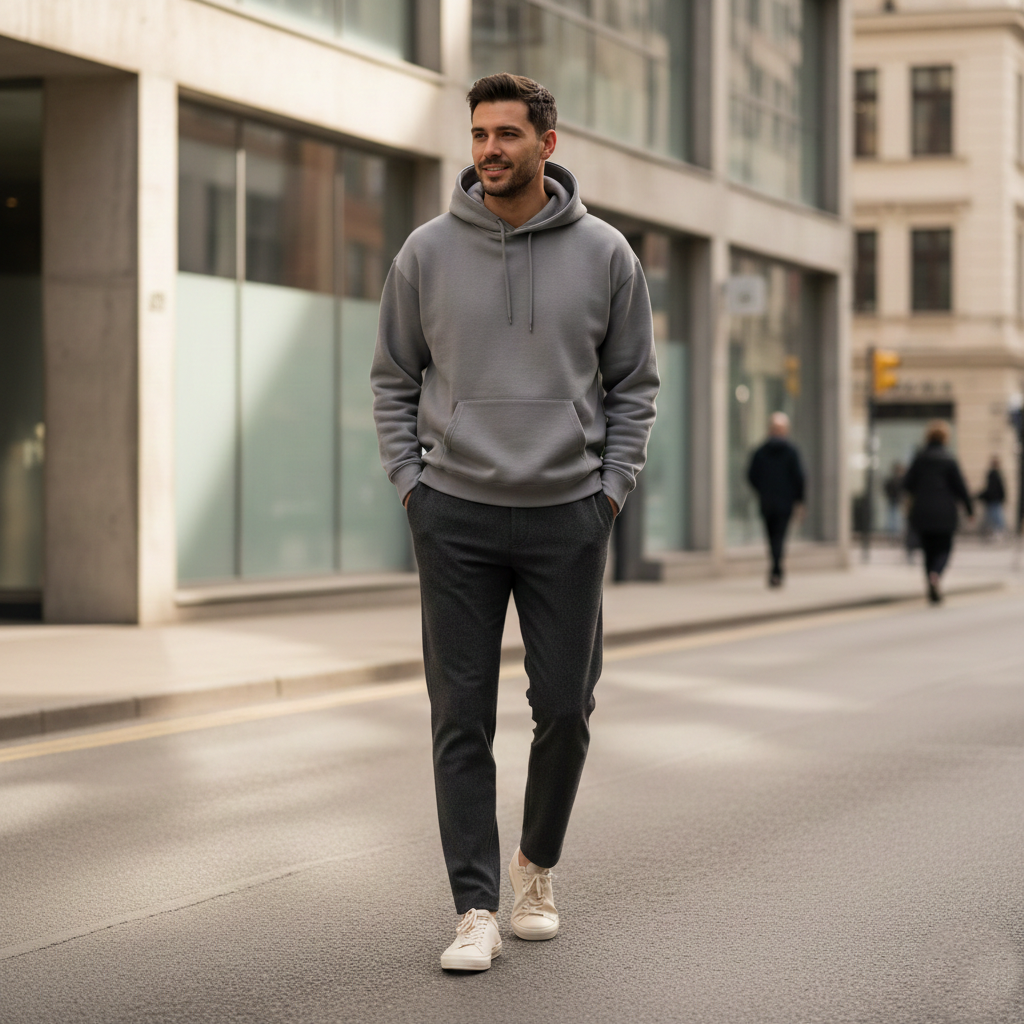
Bucket Culture appears in searches tied to casual outfits, street-influenced daily wear, and comfort-focused menswear.
Bucket Culture Men’s Apparel: A Brand-Level Breakdown
What the Brand Actually Does
Bucket Culture positions itself between expressive streetwear and wearable daily clothing.
- Relaxed but structured fits
- Visual simplicity with cultural influence
- Pieces designed for repeat wear
How the Apparel Works in Practice
Most pieces function as:
- Standalone outfits
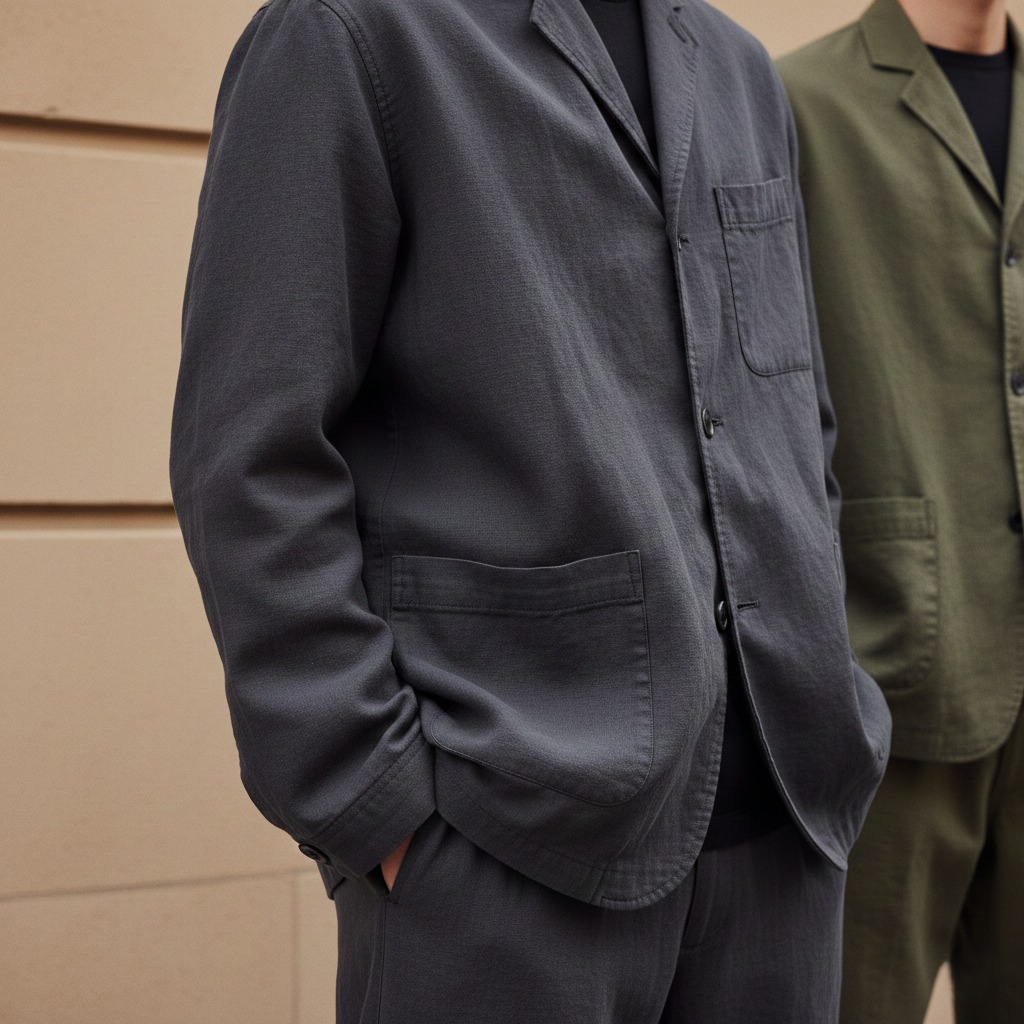
- Layer-friendly staples
- Casual wear that doesn’t feel disposable
Technical Differentiation
Bucket Culture differentiates through:
- Fit consistency across collections
- Practical fabric weights
- Designs that age well visually
Expert Evaluation of Bucket Culture
Strengths
- Strong alignment with modern casual menswear
- Comfort-focused daily fits
- Minimal over-branding
- Accessible pricing
- Clear brand identity
Limitations
- Not designed for formal wear
- Limited seasonal experimentation
- No performance-focused fabrics
Ideal User Profile
- Men building functional wardrobes
- Comfort-first everyday wear buyers
- Users tired of fast-fashion inconsistency
Traditional Men’s Apparel vs Modern Lifestyle Clothing
Traditional Men’s Apparel
- Rigid styling rules
- Comfort often secondary
- Slow adaptation to lifestyle changes
Modern Lifestyle Menswear
- Designed for flexibility
- Blends comfort with expression
- Prioritizes movement and wearability
Trust Signals and Independent Observations
Trust today is built through:
- Consistency over claims
- Repeat wear over first impressions
- Community validation over ad spend
FAQs
Is Bucket Culture a streetwear or casual brand?
It sits between both, offering lifestyle-focused casual wear.
Is Bucket Culture comfortable for daily wear?
Yes. Comfort and relaxed structure are core design priorities.
How does Bucket Culture fit?
Fits are balanced—not overly slim or oversized.
Is it good for everyday outfits?
The brand is designed specifically for daily versatility.
Authority Conclusion
The men’s apparel market now rewards clarity, comfort, and relevance.
Bucket Culture reflects how men actually live and dress in 2026. Its growth comes not from hype but from solving everyday wardrobe friction.
Brands that quietly deliver usability tend to earn long-term trust—and that is the future of modern menswear.