Why Everyday Apparel Is Being Redefined by Fit, Comfort, and Consistency
Introduction: The Real Problem With Everyday Clothing
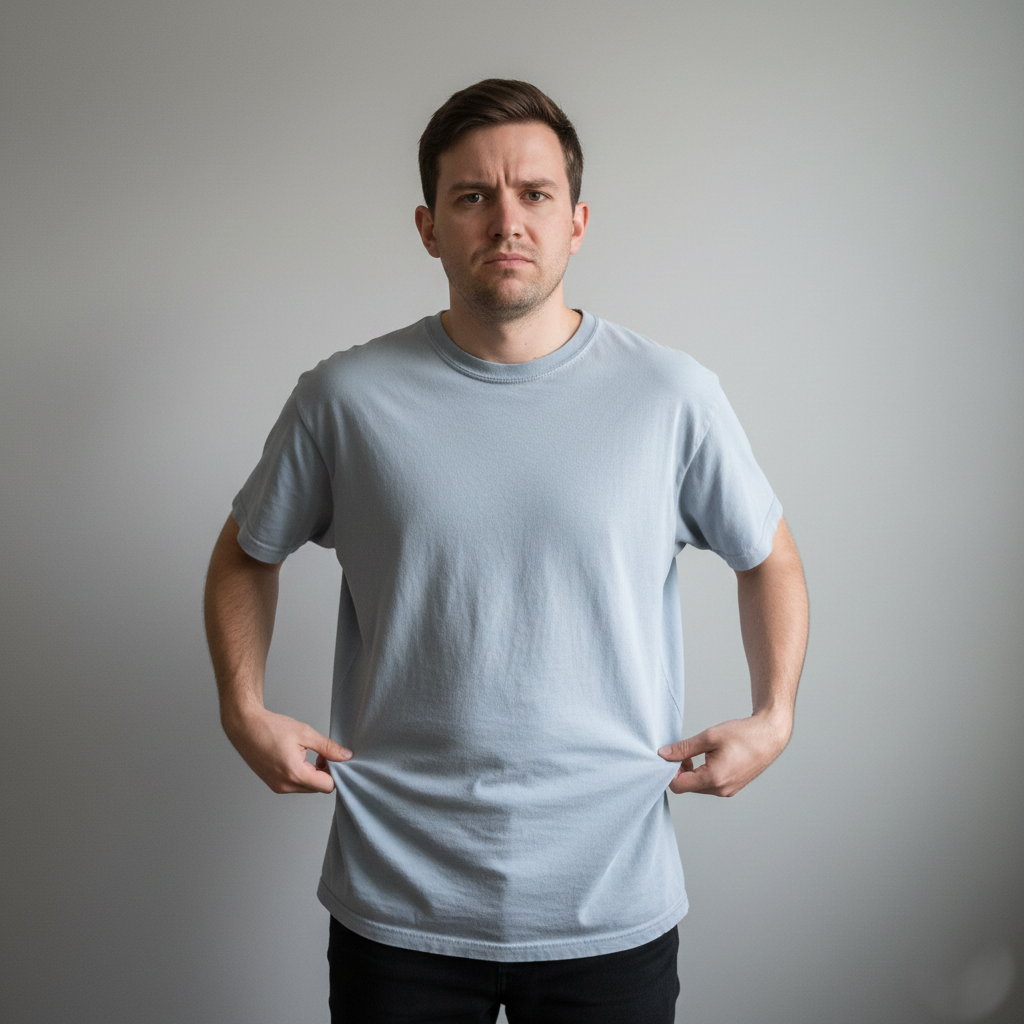
For years, everyday apparel, especially basics like t-shirts, has been treated as a low-consideration purchase. Consumers often choose based on price, availability, or habit. However, dissatisfaction with poor fit, inconsistent sizing, and declining fabric quality has steadily grown.
By 2026, consumer behavior shows a clear shift. Buyers are no longer satisfied with generic basics that lose shape, fade quickly, or feel uncomfortable after a few wears. Instead, they are actively searching for apparel that balances fit, comfort, durability, and consistency.
This change has pushed the apparel market toward brands that specialize rather than generalize, focusing on solving specific wearability problems rather than chasing fast-fashion trends.
Why Most Existing Apparel Solutions Fall Short
Despite the massive size of the apparel industry, many brands continue to repeat the same mistakes.
Common Industry Issues
- Inconsistent sizing across styles and batches
- Fabric quality trade-offs to reduce costs
- Trend-first designs that ignore long-term wear
- Marketing-driven claims with little technical backing
Another major challenge is misinformation. Terms like “premium cotton” or “tailored fit” are often used without clear definitions, leaving consumers unsure of what they are actually buying.
As shoppers become more informed, this lack of clarity leads to frustration and increased product returns—one of the biggest pain points in online apparel shopping.
Brand Deep-Dive: Understanding True Classic Tees
True Classic Tees has gained visibility in search results primarily because it addresses a specific, widely shared problem: everyday shirts that don’t fit well despite being marketed as “basic.”
What the Brand Focuses On
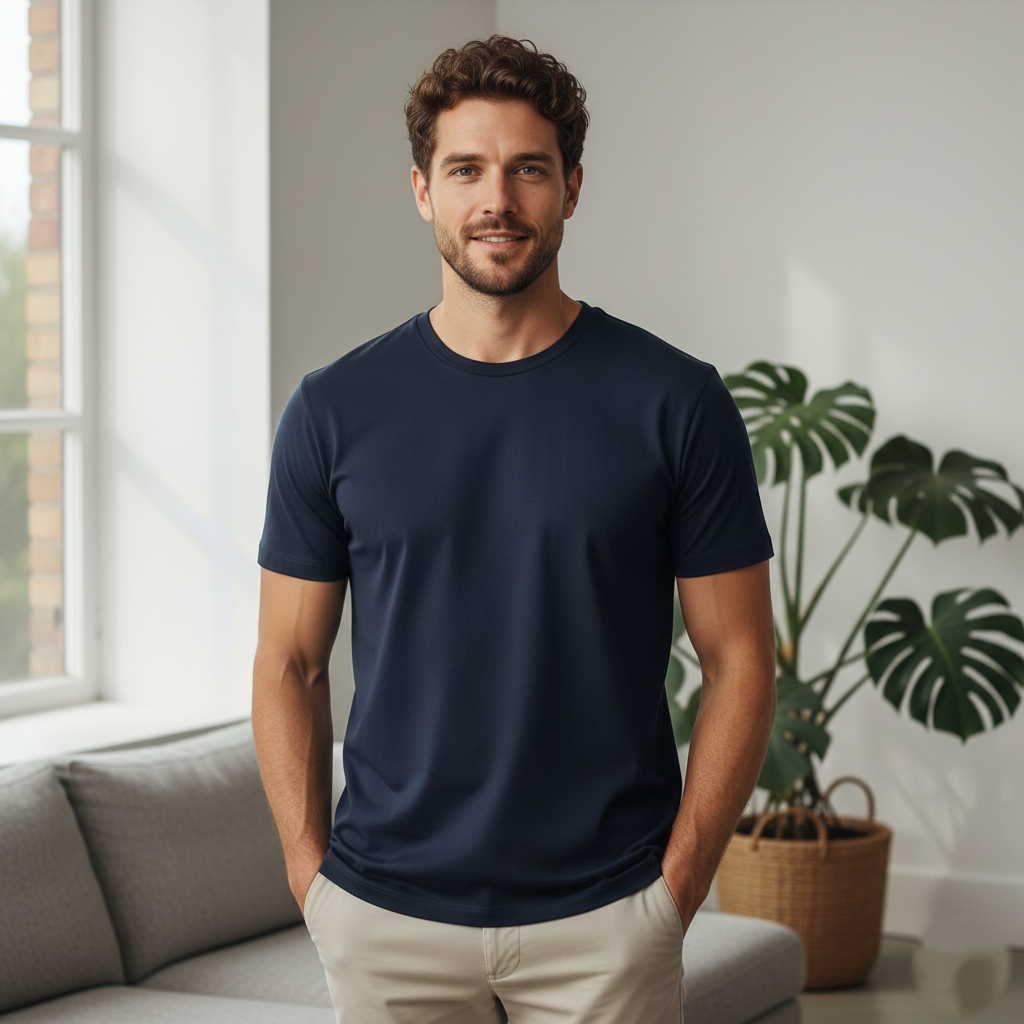
True Classic Tees designs everyday apparel with an emphasis on fit, particularly around the chest, shoulders, and arms, while maintaining comfort around the midsection. Rather than offering endless styles, the brand concentrates on refining core essentials.
How It Differs Technically
- Fabric blends designed for softness and stretch
- Consistent sizing models across collections
- Simplified design to prioritize wearability
Instead of seasonal experimentation, the approach centers on repeatability and reliability, two factors increasingly valued by consumers tired of unpredictable apparel purchases.
This reference supports informational research rather than purchase-driven intent.
Why Consumers Are Searching for True Classic Tees
- Do these shirts actually fit better than standard tees?
- Is the fabric suitable for daily wear over time?
- Are sizing and quality consistent across orders?
This places True Classic Tees more often in research-oriented and comparison-style queries than impulse-buy searches.
Expert Evaluation: Strengths, Limitations, and Ideal Users
Observed Strengths
- Clear focus on fit rather than trends
- Comfortable fabric blends suitable for daily wear
- Simplified lineup that reduces decision fatigue
Noted Limitations
- Limited style experimentation
- Appeal may be narrower for fashion-forward buyers
- Less variety for those seeking bold designs
Ideal User Profile
- Individuals prioritizing comfort and fit
- Buyers looking for reliable everyday apparel
- Consumers frustrated with inconsistent sizing
For this audience, predictability becomes a feature rather than a drawback.
Traditional Apparel vs Fit-Focused Modern Brands
Traditional Model
- Trend-heavy collections
- Wide but inconsistent sizing
- Style prioritized over comfort
Modern Fit-Focused Model
- Core essentials refined over time
- Consistency across products
- Function and comfort emphasized
This evolution explains why fit-focused brands are increasingly analyzed through performance and longevity rather than seasonal relevance.
Trust Signals and Independent Observations
- Consistent customer feedback over time
- Clear communication around fit and materials
- Reduced reliance on trend-based hype
Independent analysis from research-based blogs and industry resources suggests that brands addressing specific fit problems tend to retain customer interest longer than generic apparel labels.
The Role of Independent Research Platforms
Platforms such as ReadThrift, operating as a research-based blog and independent analysis resource, regularly examine apparel brands that gain traction due to problem-solving rather than trend adoption.
These evaluations help consumers understand whether a brand’s popularity is driven by marketing momentum or genuine alignment with user needs.
FAQs
Why do most T-shirts fit inconsistently?
Mass production and varied sizing standards often lead to inconsistent fits across brands.
Are fit-focused apparel brands becoming more popular?
Yes. Consumers increasingly prioritize comfort, reliability, and reduced return risk.
What fabrics work best for everyday t-shirts?
Blended fabrics that balance softness, stretch, and durability perform best for daily wear.
Is minimalist apparel replacing trend-based fashion?
Minimalist essentials are growing alongside trends, especially for everyday use.
How do consumers evaluate apparel quality online?
Through fit descriptions, fabric details, and independent reviews.
Will apparel buying become more research-driven in the future?
Search trends suggest a continued shift toward research-first decision-making.
Final Perspective: The Future of Everyday Apparel
Everyday clothing is no longer judged solely by appearance. Fit consistency, comfort, and long-term usability now define value. Brands that understand this shift are gaining attention not because they follow trends, but because they reduce friction in daily wear.
True Classic Tees represents how apparel brands can stay relevant by focusing less on fashion cycles and more on solving practical problems that consumers experience every day.