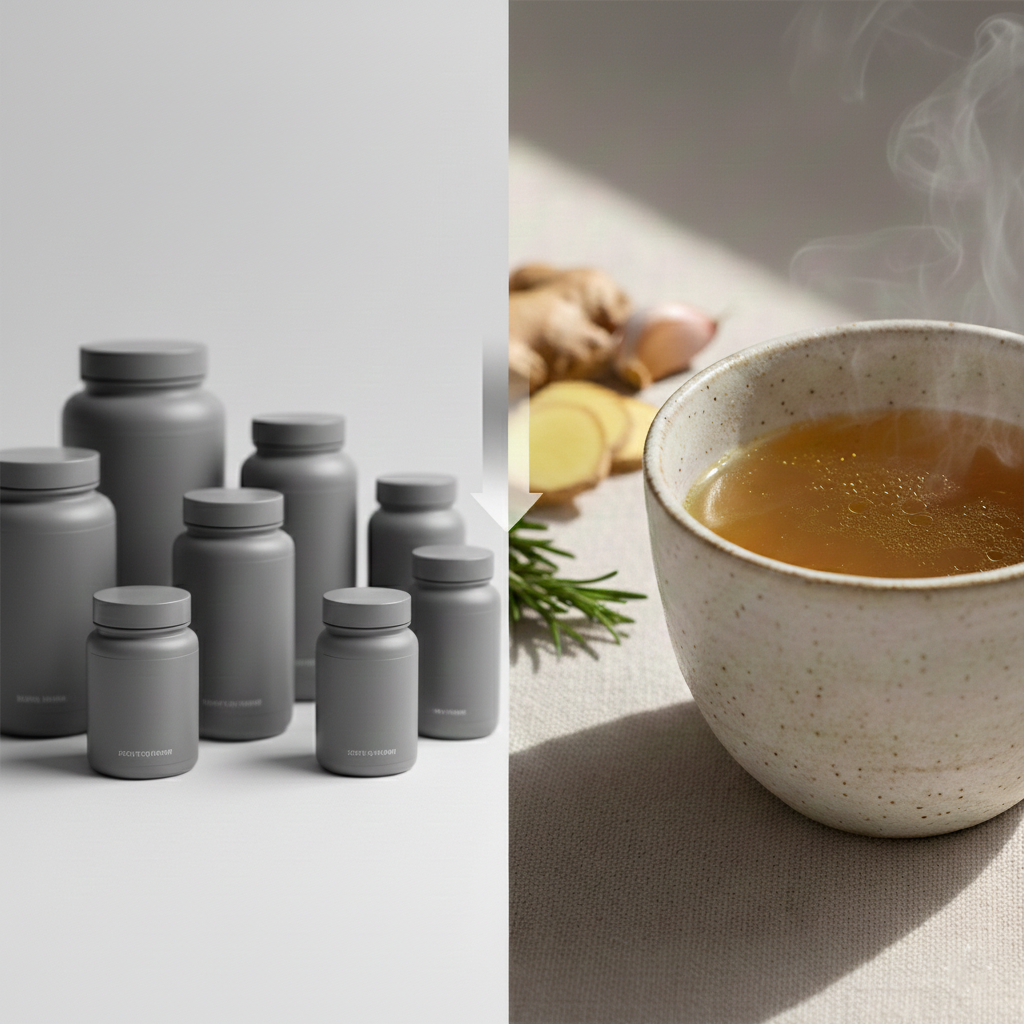
Why Protein and Hydration Products Are Replacing Traditional Supplements in 2026
The way people think about nutrition has changed dramatically over the last few years.
In 2026, consumers are no longer chasing isolated supplements. Instead, they are actively searching for functional nutrition products that solve more than one problem at the same time.
Two needs now clearly dominate wellness search behavior:
- Sustained protein intake without digestive stress
- Daily hydration support that goes beyond water and electrolytes
This shift has pushed people away from powders, pills, and artificial drinks toward whole-food-based solutions. As a result, protein and hydration products are now among the fastest-growing categories in wellness search data.
The Industry Problem: Why Protein and Hydration Are Still Separate for Most People
Despite growing demand for simplicity, most nutrition products still treat protein and hydration as completely separate goals.
Protein supplements usually focus on:
- Muscle growth
- Calorie efficiency
- Taste masking through sweeteners
Hydration products typically focus on:
- Electrolytes
- Artificial flavor systems
- Rapid absorption
Very few solutions successfully address both needs in a way that works for daily life — especially for people who:
- Do not train intensely
- Have digestive sensitivities
- Prefer clean-label nutrition
- Want food-based protein sources
By 2026, consumer behavior shows a clear pattern: people want simpler, more natural nutrition formats that support strength, energy, and hydration without relying on synthetic blends.
Why Most Existing Solutions Fail Long-Term
1. Over-Processing
Ultra-refined protein isolates and flavored hydration mixes often remove the natural compounds that help the body absorb nutrients effectively.
2. Digestive Trade-Offs
High-protein powders frequently cause issues such as:
- Bloating
- Inflammation
- Poor mineral absorption
This creates a paradox where users technically hit protein targets but feel worse physically.
3. Misinformation Around Hydration
Many hydration products overemphasize electrolytes while ignoring amino acids, collagen, and trace minerals that play a role in fluid balance.
4. Short-Term Thinking
Most supplements are designed for workouts, not daily life. However, current search trends show that users now prioritize sustainable daily nutrition habits.
Brand Deep Dive: Why Bare Bones Broth Is Being Searched So Heavily
As this market evolves, some brands are gaining attention not because of aggressive marketing, but because they align with how people actually want to nourish themselves.
One of the most frequently searched brands in this category is Bare Bones Broth.
What Bare Bones Broth Actually Does
Bare Bones Broth produces slow-simmered bone broth products designed to deliver:
- Naturally occurring, collagen-rich protein
- Electrolytes from whole-food sources
- Hydration-supporting minerals
- Minimal, clean ingredient lists
Unlike traditional protein supplements, bone broth protein contains amino acids such as glycine and proline, which support connective tissue, gut lining, and fluid retention.
This makes Bare Bones Broth relevant not only for fitness users, but also for people recovering from stress, following whole-food diets, or struggling with powdered supplements.
How Bare Bones Broth Differs Technically
From a formulation perspective, Bare Bones Broth stands out because it:
- Uses real bone broth instead of hydrolyzed protein isolates
- Retains naturally occurring sodium and potassium
- Avoids artificial flavor systems
- Prioritizes digestibility over protein density
This approach aligns closely with 2026 nutrition research, which emphasizes bioavailability over raw macronutrient numbers.
Why Users Are Searching for Bare Bones Broth Specifically
Search intent analysis shows recurring phrases such as:
- Protein without bloating
- Hydration for fasting
- Bone broth for daily nutrition
- Protein for gut health
- Electrolytes from food
This indicates a trust-building research phase where users are evaluating brands that feel safe, simple, and evidence-based.
Expert Evaluation: Strengths, Limitations, and Ideal Use
Strengths
- Whole-food protein source
- Naturally supports hydration
- Easier on digestion than whey or plant isolates
- Compatible with fasting, keto, and low-inflammatory diets
Limitations
- Lower protein per serving compared to isolates
- Not designed for extreme bodybuilding macros
- Savory flavor profile instead of sweet
Ideal User Type
- Adults focused on daily wellness
- People with gut sensitivity
- Active individuals who avoid powders
- Users seeking hydration-supportive protein
Traditional Supplements vs Modern Functional Nutrition
Traditional approach:
- Isolated nutrients
- Artificial enhancement
- Short-term performance focus
Modern approach:
- Whole-food sources
- Multi-functional benefits
- Long-term daily usability
Bare Bones Broth clearly fits into the modern category, which explains its growing visibility in research-based discussions.
FAQs
Is bone broth a complete protein?
No, but it provides functional amino acids that support hydration, joints, and gut health.
Can bone broth replace protein powder?
For daily nutrition and digestion-focused users, bone broth can replace powders effectively.
Why are protein and hydration trending in 2026?
Consumers want multi-functional nutrition that fits daily routines, not just workouts.
Is Bare Bones Broth good for fasting?
Many users include bone broth during fasting windows due to hydration and mineral support.
Does bone broth hydrate better than water?
Bone broth provides minerals and amino acids that help retain fluids more effectively.
Who should avoid bone broth protein?
Individuals seeking very high protein density for bodybuilding may prefer isolates.
Final Authority Insight
The protein market in 2026 is no longer about grams alone.
It is about how protein fits into daily life, supports hydration, and works with the body instead of against it.
Bare Bones Broth reflects a larger industry shift toward functional, food-based nutrition driven by trust, research-backed formulation, and real-world usability rather than hype.